

Calories in less than calories out. Weight loss sounds so simple. Yet many of us struggle to achieve and maintain a healthy weight. In 2022, 64% of adults in the UK were overweight or obese according to the NHS England health survey. That’s because the reality of weight loss is far more complex than calories in less than calories out.
Weight loss will look different for each individual. Challenges may be psychological, behavioural, hormonal or biological.
For adults who have tried dieting and exercise but fail to achieve and maintain a healthy weight, prescription weight loss medication can offer the additional support needed for them to make lifestyle changes that last.
How do weight loss injections work?
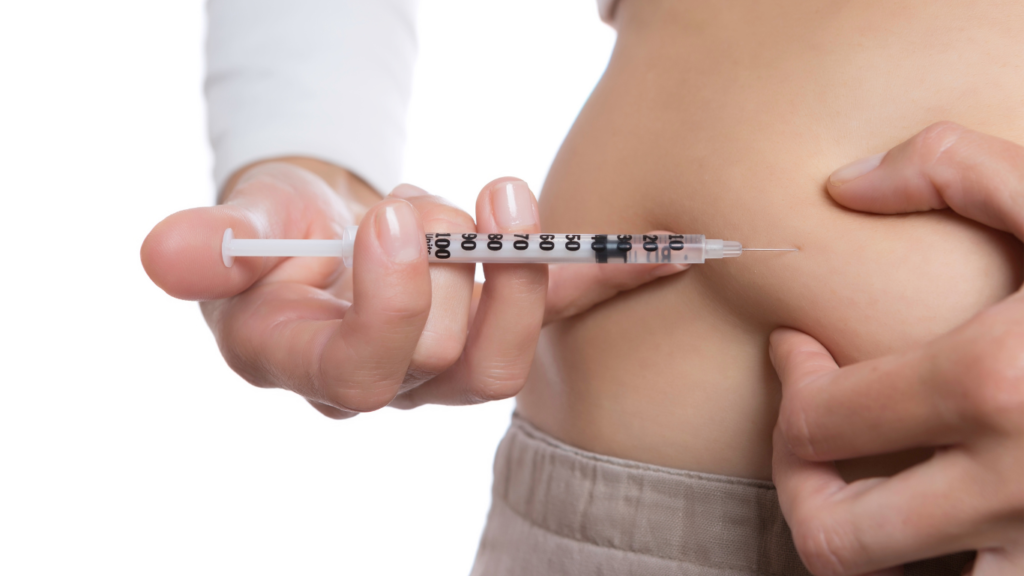
Weight loss injections like Semaglutide (Wegovy) and Tirzepatide (mounjaro) work by imitating naturally occurring hormones in the body which work to suppress appetite and let us know when we are full. They also slow down digestion, which keeps you feeling fuller for longer, and help to reduce cravings for fatty foods. With ‘food noise’ reduced, people are able to implement healthy changes and establish routines to support maintenance of a healthy weight.
How well do weight-loss drugs work?
Prescription weight-loss drugs used for more than 12 weeks, called long-term use, lead to major weight loss compared with diet and exercise alone. Taking these drugs for a year can boost weight loss by 3% to 12% when compared with lifestyle changes alone.
That may not seem like a lot. But losing 5% to 10% of your total weight and keeping it off can have important health benefits. For example, it can lower blood pressure, blood sugar levels and levels of fats in the blood called triglycerides.
Who can take
The down sides of weight loss injections
Side effects such as nausea, constipation, gas and diarrhea, are common. However, they usually subside over the first few weeks of use. Rarely, serious side effects can happen. That’s why it’s important to ask your prescriber about all treatment choices, be sure to ask about the possible benefits and risks of each drug, and let your prescriber know immediately if you begin to feel unwell.
To qualify for weight loss injections on the NHS you currently need to have a body mass index (BMI) of at least 35, or 30 to 34.9 if you have a weight-related comorbidity. If your BMI is lower than this, you may still be able to get a prescription for weight loss injections from a private weight loss clinic. However, this will mean that you have to pay for your weight loss treatment.
As with all weight loss treatments, many people gain back some of the weight they lost when they stop taking weight-loss drugs. It is important to use the time whilst using weight loss injections to establish healthy habits that will help you to maintain your ideal weight.

